
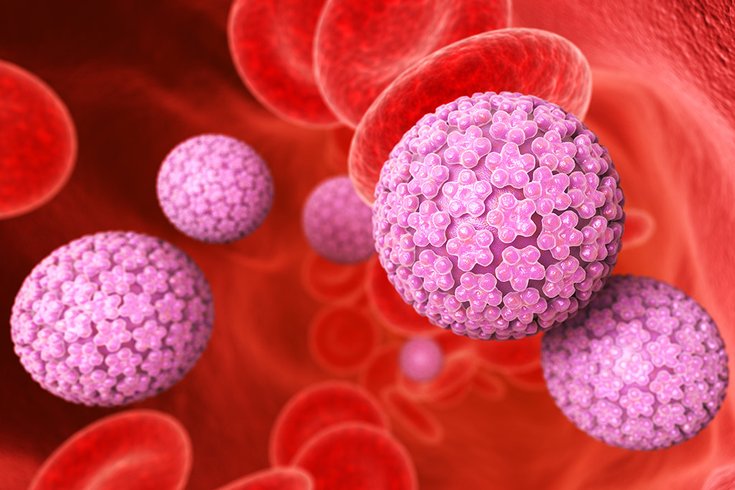
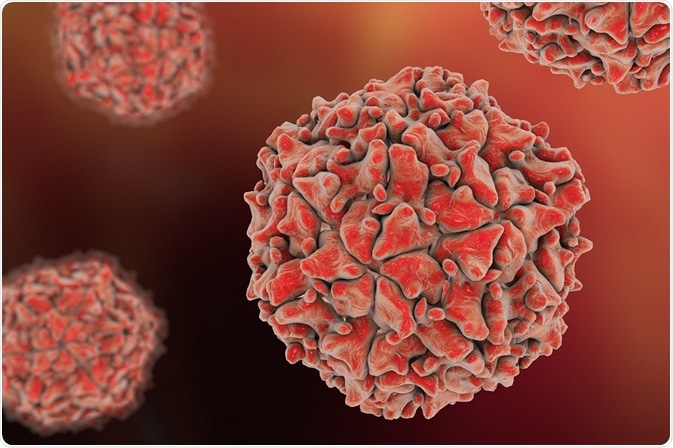
The human papillomavirus (HPV) is the most common sexually transmitted infection (STI). They are so common that almost all men and women will get at least one type at some point in their lifetime. Nearly 80 million people are infected with HPV right now, most of which are people who are in their late teens and early 20s. Some strains of this can causing serious health problems and various cancers. Anyone who is sexually active could potentially, most likely, be exposed to this infection. It is spread by vaginal, anal, and oral sex and it can be even be transmitted when the infected individual shows no signs or symptoms. Wow this thing is scary, but lucky for us we have a vaccine that prevents almost 90% of HPV-related cancers.
The vaccine currently requires two doses, with the second given six to 12 months after the first dose. The Center for Disease Control and Prevention (CDC) recommends that all children receive this vaccination around the age of 11 or 12, however, it can be given as early as the age of 9. For the HPV vaccine to be the most effective, it should be typically given before possible exposure to HPV, which before you become sexually active. Giving the vaccine at this age allows people to be protect long before being exposed to the virus. Unvaccinated men and women ages 27 to 45 can also get the HPV vaccine; however, they should talk with their doctor prior.
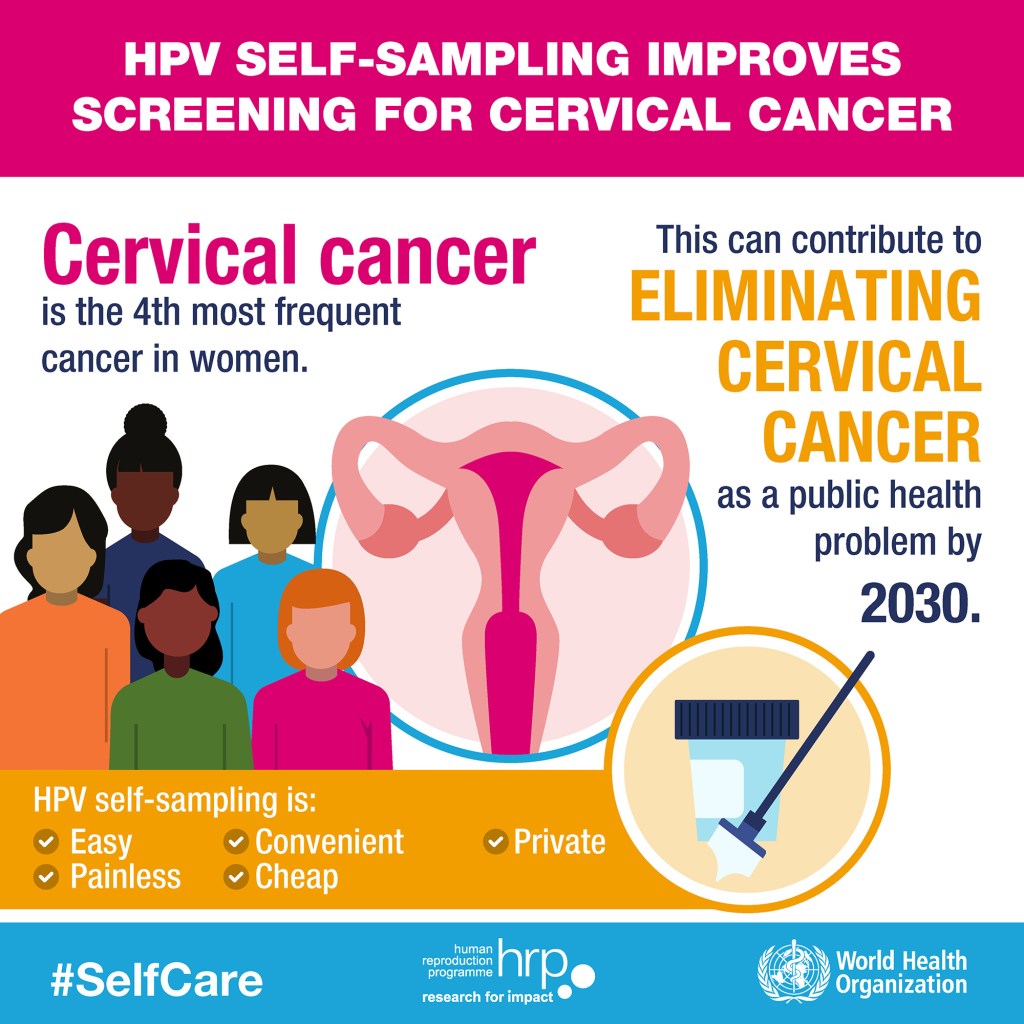
Two licensed HPV vaccines, the bivalent and the quadrivalent vaccine have been proven to be safe and effective against cervical infections associated with precancerous lesions. An large increase in vaccine effectiveness with increased precancerous lesions is because of most cancerous HPV types 16 and 18. With current vaccines, research is beginning to switch from attempting to reduce HPV to trying to control high-risk types.
Evidence from an update of the Phase 3 Costa Rica HPV Vaccine Trial is indicating that the “protection provided by a single dose of the HPV vaccine may be as durable as protection from the two-dose series.” They believe this will improve vaccination rates since it is only a single dose versus a two-dose series, which lowers the cost of the vaccination since you only have to get one shot. This increase in vaccination would also decrease the rate of the various cancers caused by HPV because more people would be vaccinated. Either way, whether it’s one dose or four doses with a booster every couple of years, I believe people should get vaccinated regardless.
Something else that is scary is that the CDC has set an 80% HPV vaccination goal for adolescents this year, and only less than half of all teens have been vaccinated. One of the main reasons why this is the case, is because parents did not received a “strong recommendation” of this vaccine by their children’s physician or that they were not given enough information about the importance of this vaccination. We need to do something about this! We need to properly educate our healthcare providers and families about the importance of this vaccination. Matter of fact, ALL VACCINATIONS.











 Kalayah's Krazy Microbes