
Anti-vaccination movements were always presence since the start of vaccinations. You can thank Andrew Wakefield for the latest anti-vaxxer movement. In his 1998 article, he claimed to have found a link between the MMRV vaccine and autism, which sparked a lot controversy. This claim has been proven to be false. However, it has still led some people to be hesitant about vaccinations, a phenomenon termed “vaccine hesitancy.” Vaccine hesitancy is what public health officials call the “delay in acceptance or refusal of vaccines.” The World Health Organization (WHO) has classified this as one of top 10 global health issues in 2019.
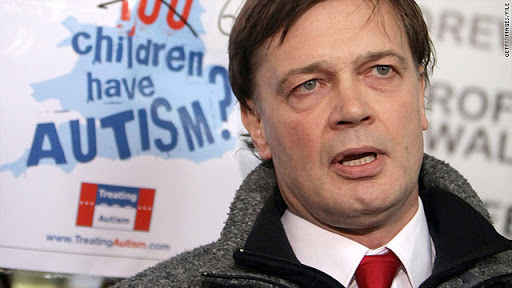
Anti-vaxxer movements have become more prevalent of social media. Social media has become a major way of spreading a false narrative about vaccines, despite all out the accurate information out there. Recent studies have looked into how vaccine misinformation have spread on Facebook by anti-vaxxer advertisements have gained leverage on this platform. Researchers have found that 47% of ads on Facebook have been geared against vaccinations while 53% promote vaccinations. This is problematic because more people are being convinced that vaccines are not safe due to being misinformed.
Thankfully, Facebook has been taking steps to minimize anti-vaxxer content on their platform. Facebook ensured users find facts about vaccines across their sites where people seek out information and advice. Facebook has agreed to direct its users to WHO’s accurate and reliable vaccine information for them to use as a resource. Even though anti-vaxxers are the minority, public health officials are increasingly concerned by the come up.
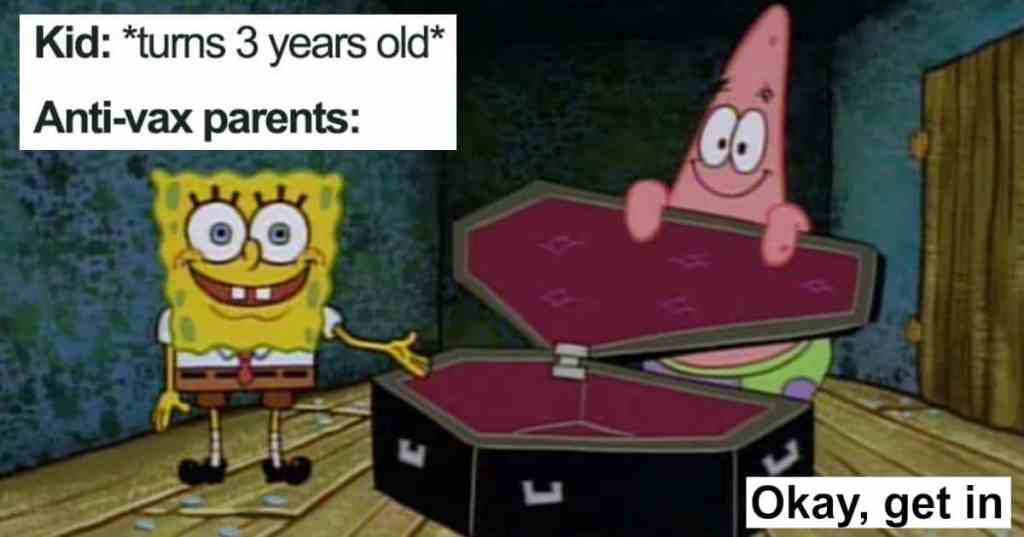
Y’all we have to do something about this. You may think that this is none of your concern, but it is. Herd immunity is important in order to maintain a healthy community, so please get vaccinated and vaccinate your children.

 Kalayah's Krazy Microbes