
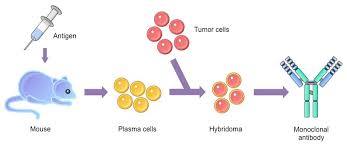
This week we will continue our discussion on antibody therapy by looking at the FDA-approved monoclonal antibody drug Adalimumab, more commonly known as Humira. A monoclonal antibody drug are man-made antibodies that act on proteins that attack normal human body tissues for people with autoimmune diseases. These synthetic antibodies are made by introducing human genetic information to that make antibodies into animals such as a mice. These mice are injected with the antigen that microbiologists are trying to make antibodies against, which then allows the immune cells from the mice to produce the chosen human antibody. Wow, it think this is really cool. It kinda operates like a virus. The virus injects its genetic information into human cells and replicates indefinitely.
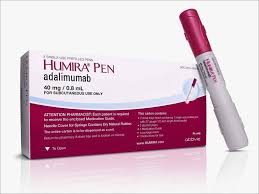
Humira is an injectable protein, which blocks inflammatory effects of tumor necrosis factor alpha (TNF alpha) in rheumatoid arthritis, psoriatic arthritis, ankylosing spondylitis, and Crohn ‘s disease. Inflammation is the body’s natural response to an injury and it is important for repairing the injury as well. TNF is a protein that is produced by the body at the site of inflammation and produces the signs of inflammation such fever, pain, swelling, and redness. In this case, the injectable antibody (Humira) binds to TNF which prohibits its actions. For example, in the case of arthritis there would be no inflammation, which would slow and prevent joint damage.
Like many drugs, Humira has side effects. Some of the most common side effects are injection site reactions (i.e. pain, redness, swelling, rash, itching and/or bruising), sinus infections, headaches, rash and nausea. Some of the more serious side effects include:
- Serious infections (i.e. TB and infections caused by viruses, bacteria and/or fungi)
- Hepatitis B infection in carriers of the virus
- Allergic reactions
- Nervous system problems (i.e. numbness, dizziness, weakness and/or tingling)
- Blood problems
- Heart failure (new or worsening)
- Immune reactions including a lupus-like syndrome (i.e. chest pain, shortness of breath, joint pain and/or rash)
- Liver problems
- Psoriasis (new or worsening)
Like all other TNF blocking drugs, this one can cause serious infections such as tuberculosis, sepsis, and fungal infection. TNF blocking medications suppress the immune system which give opportunity for infection such as TB to re-emerge. Since these class of drugs suppress the immune system, it can lower the ability to fight of infection which can affect both the innate and required immune response.
I feel like you’re always taking a risk whenever you start taking a new medication, whether it little to none or a huge one. One thing I would like to point is some these side effects are for more severe cases. Pharmaceutical companies have to report any and all the possible side effects so they can avoid liability issue and possible lawsuits. There are also many side effects with taking things like Advil or Ibuprofen, so just remember that.

 Kalayah's Krazy Microbes